Gender, Equality, and Education
Session Overview
This session will focus on the intersection of gender, equality, and education, exploring how inclusive educational practices can promote gender equity. It will address challenges and opportunities in creating equal educational access for all genders, highlighting strategies for empowerment, social justice, and transforming educational systems for sustainable development.
The Sustainable Development Goals:
Goal 4: Quality Education

Goal 5: Gender Equality

Goal 10: Reduced Inequality

Who Can Join

Research Scholars

Technology Experts

Students & Alumini’s

Editorial Board Members of Journals

Government Officials

Industry Professionals
Tracks
Topics of Interest for Submission include, but are not limited to:
1 Gender-Inclusive Curriculum Design
2 Feminist Pedagogy in Education
3 Gender Equality in Higher Education
4 Empowering Girls through Education
5 Gender, Intersectionality, and Educational Access
6 Policies for Gender Equality in Education
7 Addressing Gender Bias in Educational Practices
8 Women in STEM Education
9 Male Engagement in Gender Equality Education
10 Education for Gender-Based Violence Prevention
Session Speaker


Dr. Kumar Shashvat
India,
Key Themes
- Empowering Girls and Women: This session on Strategies for promoting equal access to education and addressing gender-based disparities.
- Inclusive Education: Creating environments that cater to diverse gender identities and learning needs.
- Policy and Advocacy : Examining gender-sensitive policies in education systems.
- Intersectionality: Understanding how gender intersects with other social factors such as race, class, and disability.
- Gender and Leadership: Encouraging women's leadership roles in educational settings.
- Education for Social Change: How education can challenge gender norms and drive societal transformation.
Scope & Benefits of Attending ICDALESH-2025 conference
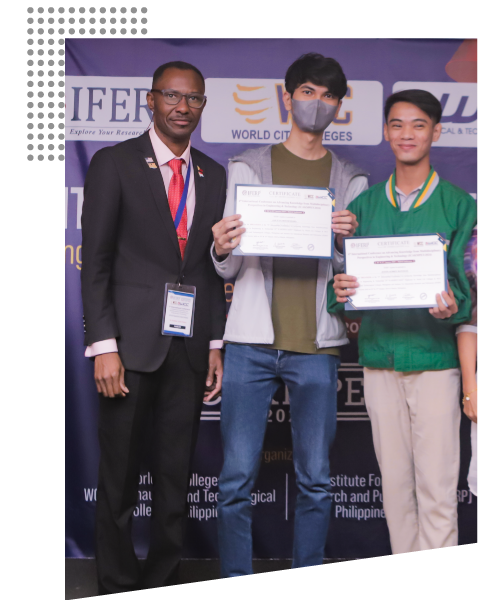
Benefits of Attending ICDALESH-2025
- Attending the ICDALESH-2025 conference offers an unparalleled opportunity for educators, researchers, and professionals in the field of education to explore the latest trends, advancements, and best practices in the realm of e-learning and educational technology. With a diverse array of session topics, the conference promises a rich and immersive experience for attendees.
- Session 1, focusing on Cutting-edge pedagogical practices, provides insights into innovative teaching methodologies and strategies aimed at enhancing student engagement and learning outcomes. Participants can learn about flipped classrooms, project-based learning, and other contemporary pedagogical approaches that promote active learning and critical thinking skills.
- Technological Advancements in E-learning Platforms take centre stage in Session 2. Attendees can delve into the latest developments in learning management systems (LMS), virtual learning environments, and online collaboration tools. Discussions and demonstrations showcase how these advancements can facilitate personalized learning experiences, foster student-teacher interaction, and streamline administrative processes in educational institutions.
- In Session 3, Digital Content Creation and Curation , participants explore techniques and tools for developing high-quality digital learning materials. From interactive multimedia presentations to immersive virtual reality simulations, attendees gain insights into effective content creation and curation strategies that cater to diverse learning styles and preferences.
- The theme of Session 4, Inclusive and accessible E-learning , underscores the importance of ensuring equal access to education for all learners, including those with disabilities or special needs. Attendees learn about inclusive design principles, accessibility standards, and assistive technologies that can help create barrier-free learning environments and empower every student to succeed.
- Session 5 focuses on “Gamification and Serious Games in Education,” where participants discover how game-based learning approaches can enhance student motivation, engagement, and knowledge retention. Case studies and practical examples illustrate the effectiveness of gamification in promoting active learning and fostering collaboration among students.
- In Session 6, Adaptive Learning Systems take the spotlight, offering attendees insights into personalised learning experiences tailored to individual student needs and preferences. Participants explore AI-powered adaptive learning platforms, intelligent tutoring systems, and chatbots that dynamically adjust content and pacing based on student performance and learning objectives.
- E-Learning Analytics and Learning Sciences are the focal points of Session 7, where attendees delve into the intersection of data analytics and educational research. Discussions explore how learning analytics can inform instructional design, optimise learning environments, and support evidence-based decision-making in education.
- Session 8, Professional Development in E-Learning, provides educators and instructional designers with opportunities to enhance their skills and knowledge in leveraging technology for effective teaching and learning. Workshops, seminars, and hands-on training sessions cover topics such as instructional design principles, technology integration strategies, and online course development.
- Finally, Session 9 on Emerging Technologies in Education offers a glimpse into the future of e-learning, showcasing groundbreaking innovations such as blockchain applications, IoT integration, XR technologies, and AI-driven educational tools. Attendees gain insights into the potential impact of these emerging technologies on educational practices and explore opportunities for collaboration and research in this rapidly evolving field.
Author Guidelines
Guidelines for Abstract Submission:
- Language: Abstracts must be written in English.
- Length: Limited to one paragraph with 200-250 words.
- Format: Submit in MS Word (.doc or .docx) document format.
- Content: Abstracts should provide an informative summary of the original work. Include a brief biography with your abstract, following the example provided in the template.
- Formatting: Center-align the Title, Author's Names, and Affiliations. Underline the presenting author's name.
- Submission: Please submit your abstract through the designated submission portal.
- Acknowledgment: Upon abstract submission, you will receive an acknowledgment email within three working days.
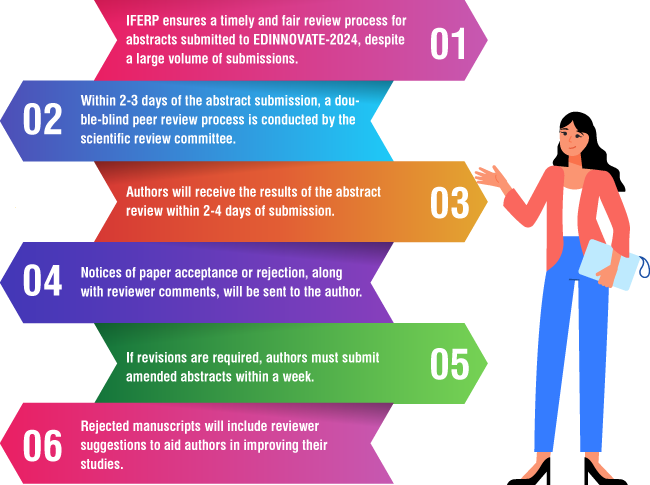
Evaluation Process
Guidelines for Full Paper Submission
If your abstract has been accepted and the registration fee for ICDALESH-2025 has been paid, you are invited to submit the full paper. Please adhere to the following guidelines for the submission:

- Total number of pages: 6-8 in double-column format
- Language: English (checked for grammar and language errors)
- Tables, figures, and images should be properly named and of high quality.
- Keywords should be written in lowercase letters (except for names/scientific names) and separated by commas.
- Affiliation names, including the country, must be provided.
- Each paper should be structured into the following sections:
- Background, Motivation, and Objective
- Statement of Contribution/Methods
- Results, Discussions, and Conclusions
Once your full paper is prepared according to the above instructions, please proceed to submit it through the provided link. Submit your Full paper Here.
Session Lists